
Are Stainless Steel 440C Balls Corrosion Resistant?

When selecting materials for precision steel balls, corrosion resistance is a key factor. Stainless steel 440C balls are widely used in various industries, but how well do they resist corrosion? I will explore the corrosion resistance of 440C stainless steel balls, explain the factors that affect their performance, and provide practical insights for industrial applications.
Understanding Stainless Steel 440C and Its Corrosion Resistance
Stainless steel 440C is a high-carbon martensitic stainless steel known for its hardness and wear resistance. It contains about 16-18% chromium, which provides some corrosion resistance, but it is not as corrosion-resistant as austenitic stainless steels like 304 or 316.
The corrosion resistance of 440C depends on several factors:
Chromium content: Chromium forms a thin, protective oxide layer on the surface that prevents rust. The 16-18% chromium in 440C offers moderate protection.
Carbon content: Higher carbon increases hardness but can reduce corrosion resistance by forming chromium carbides, which deplete chromium near grain boundaries.
Heat treatment: Proper heat treatment can optimize hardness and corrosion resistance.
Environment: Exposure to moisture, salt, acids, or alkaline substances affects corrosion behavior.
In general, 440C stainless steel balls offer good corrosion resistance in dry or mildly corrosive environments. However, they may corrode faster in harsh or marine environments compared to other stainless steels.
Comparing 440C Stainless Steel Balls with Other Steel Balls
To better understand 440C’s corrosion resistance, it helps to compare it with other common steel balls used in industry.
440C Stainless Steel Balls: High hardness (up to 60 HRC), moderate corrosion resistance, suitable for precision applications requiring wear resistance.
AISI 52100 Chrome Steel Balls: Very high hardness and wear resistance but low corrosion resistance. They rust easily if exposed to moisture.
316 Stainless Steel Balls: Excellent corrosion resistance due to higher chromium and molybdenum content but lower hardness than 440C.
For example, Shenyang Jiaxin Steel Ball Factory offers precision 440C stainless steel balls that balance hardness and corrosion resistance for demanding industrial uses. Their products are ideal when corrosion resistance is needed alongside durability.

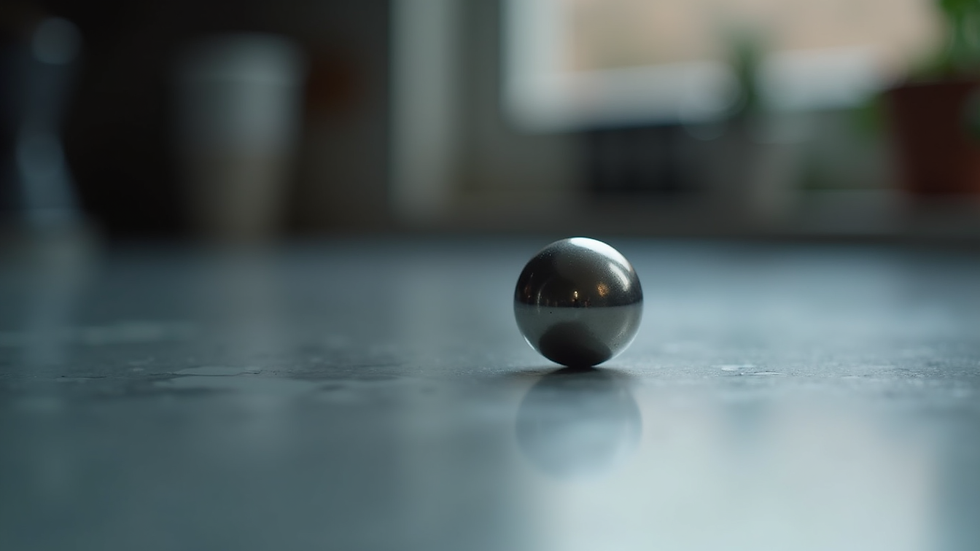
Close-up view of a 440C stainless steel ball showing smooth surface and metallic shine
Factors Affecting Corrosion Resistance of 440C Balls in Industrial Use
Several practical factors influence how well 440C stainless steel balls resist corrosion in real-world applications:
Surface finish: Polished or smooth surfaces reduce corrosion sites. Rough or scratched surfaces can trap moisture and promote rust.
Cleaning and maintenance: Regular cleaning removes contaminants that cause corrosion.
Exposure to chemicals: Acidic or salty environments accelerate corrosion. 440C may require protective coatings or alternative materials in such cases.
Temperature: High temperatures can affect the protective oxide layer and increase corrosion risk.
In industrial settings, controlling these factors helps extend the life of 440C stainless steel balls. For example, using precision 440C balls from Shenyang Jiaxin Steel Ball Factory ensures high-quality surface finish and consistent material properties.
Applications Where 440C Stainless Steel Balls Are Suitable
440C stainless steel balls are widely used in industries where both hardness and moderate corrosion resistance are required. Some typical applications include:
Bearings: Especially in environments with limited moisture exposure.
Valves and pumps: Where wear resistance and corrosion resistance are both important.
Medical devices: Components that require sterilization and durability.
Aerospace and automotive: Precision parts exposed to moderate corrosive conditions.
For harsher environments, such as marine or chemical processing, other stainless steels like 316 may be preferred despite lower hardness.
How to Improve Corrosion Resistance of 440C Stainless Steel Balls
If corrosion resistance is critical, there are ways to enhance the performance of 440C balls:
Surface coatings: Applying coatings such as nickel plating or passivation can improve corrosion resistance.
Proper heat treatment: Optimizing heat treatment reduces chromium carbide formation and improves corrosion resistance.
Use of lubricants: In bearing applications, lubricants protect against moisture and corrosion.
Choosing precision 440C stainless steel balls from reputable manufacturers like Shenyang Jiaxin Steel Ball Factory ensures that these treatments and quality controls are in place.

Eye-level view of stainless steel balls arranged in a row on a reflective surface
Summary of Corrosion Resistance of 440C Stainless Steel Balls
To summarize:
440C stainless steel balls have moderate corrosion resistance due to their chromium content.
They perform well in dry or mildly corrosive environments but may corrode in harsh or marine conditions.
Surface finish, maintenance, and environment strongly affect corrosion behavior.
Compared to other steel balls, 440C offers a good balance of hardness and corrosion resistance.
Enhancements like coatings and proper heat treatment can improve corrosion resistance.
For industrial manufacturers and companies requiring precision steel balls, 440C stainless steel balls from trusted suppliers like Shenyang Jiaxin Steel Ball Factory provide reliable performance. Their products meet the needs of demanding applications while maintaining competitive pricing.

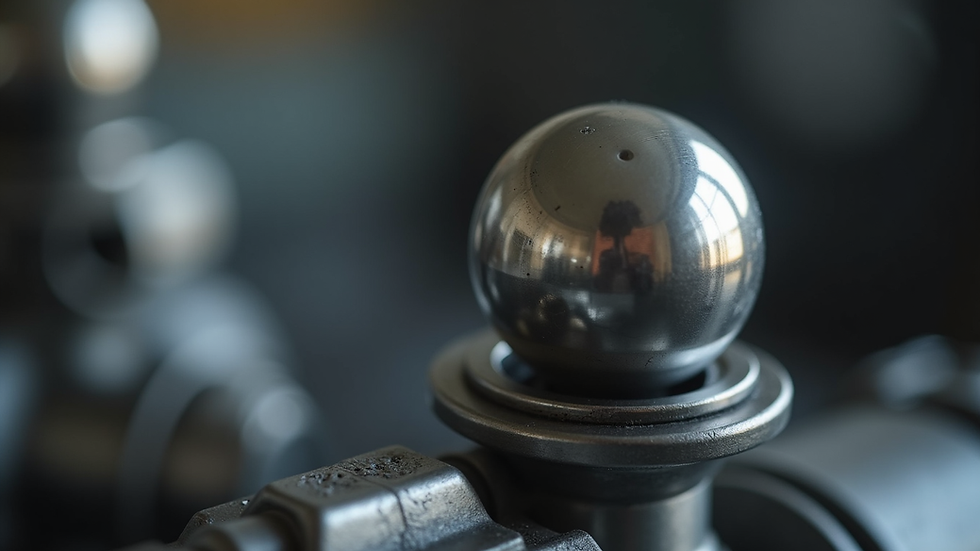
High angle view of a single 440C stainless steel ball on a dark background
Choosing the right steel ball material depends on your specific application and environment. Understanding the corrosion resistance of 440C stainless steel balls helps make informed decisions that improve product longevity and performance.

Comments