
The Significance of High Precision Steel Balls: Precision Steel Ball Features Explored

In the realm of industrial manufacturing, the demand for components that deliver exceptional accuracy and durability is ever-increasing. Among these components, precision steel balls play a pivotal role. Their applications span across various industries, from automotive to aerospace, and their quality directly impacts the performance and reliability of machinery. Understanding the significance of precision steel ball features is essential for businesses aiming to optimize their production processes and product quality.
Understanding Precision Steel Ball Features
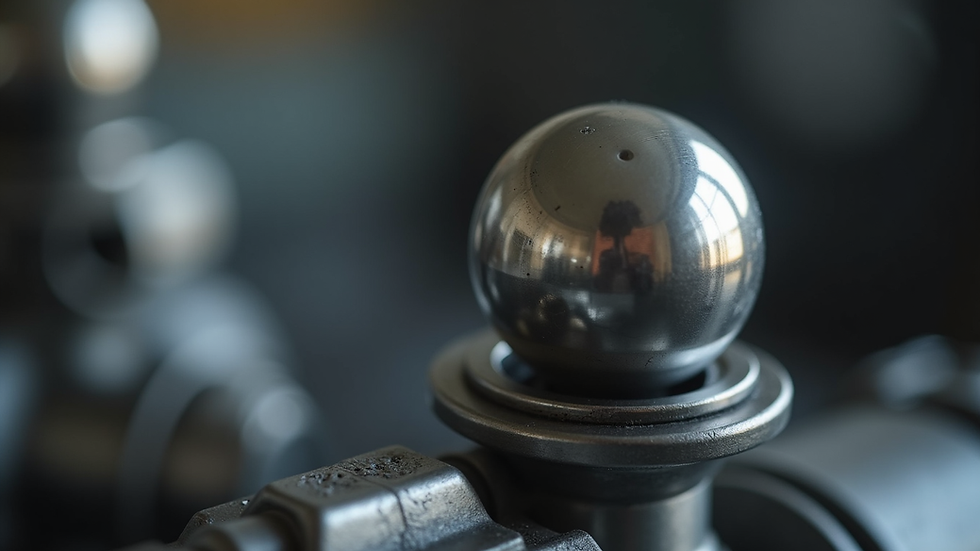
Precision steel balls are manufactured to meet stringent standards of roundness, surface finish, and hardness. These features ensure that the balls perform consistently under demanding conditions. The key attributes that define precision steel balls include:
Roundness: The degree to which the ball deviates from a perfect sphere. High roundness reduces friction and wear in mechanical systems.
Surface Finish: A smooth surface minimizes resistance and prevents premature failure.
Hardness: Adequate hardness ensures resistance to deformation and extends the lifespan of the ball.
Material Composition: Typically made from high-grade steel alloys, the composition affects corrosion resistance and mechanical strength.
Each of these features contributes to the overall performance of the steel balls in their respective applications. For example, in bearing assemblies, even minor imperfections can lead to increased noise, vibration, and reduced efficiency.

The Role of Precision Steel Ball Features in Industrial Applications
The precision of steel balls is not merely a technical specification; it is a critical factor that influences the functionality of various industrial components. Here are some practical examples of how these features impact different sectors:
Automotive Industry: Precision steel balls are used in wheel bearings, transmissions, and fuel injectors. Their accuracy ensures smooth operation, reduces energy loss, and enhances vehicle safety.
Aerospace Sector: In aerospace, the reliability of components is paramount. Precision steel balls contribute to the performance of gyroscopes, actuators, and control systems by maintaining consistent motion and reducing wear.
Medical Devices: Surgical instruments and diagnostic equipment rely on precision steel balls for accurate movement and durability.
Electronics: In hard drives and other precision instruments, these balls facilitate smooth rotation and precise positioning.
The consistent quality of these steel balls helps manufacturers meet strict industry standards and customer expectations.
Manufacturing Processes That Enhance Precision Steel Ball Features
Producing steel balls with high precision involves advanced manufacturing techniques. The process typically includes:
Cold Heading: Steel wire is cut and formed into rough ball shapes.
Flashing: Excess material is removed to improve roundness.
Heat Treatment: Balls are hardened to achieve the desired mechanical properties.
Grinding and Lapping: These finishing processes refine the surface and roundness to meet exact specifications.
Inspection and Quality Control: Sophisticated measuring equipment ensures each ball meets the required standards.
Investing in these processes allows manufacturers to deliver products that perform reliably in critical applications.

Why Choosing the Right Precision Steel Balls Matters
Selecting the appropriate precision steel balls can significantly affect the efficiency and longevity of industrial equipment. Here are some considerations to keep in mind:
Application Requirements: Understand the load, speed, and environmental conditions the balls will face.
Material Selection: Choose steel grades that offer the best balance of hardness and corrosion resistance.
Tolerance Levels: Opt for balls with tolerances that match the precision needs of your machinery.
Supplier Reliability: Partner with manufacturers who have a proven track record of quality and innovation.
By carefully evaluating these factors, businesses can reduce downtime, lower maintenance costs, and improve overall productivity.
Future Trends in Precision Steel Ball Technology
The industry is witnessing continuous advancements aimed at enhancing the features of precision steel balls. Innovations include:
Advanced Materials: Development of new steel alloys and coatings to improve wear resistance and reduce friction.
Automation in Manufacturing: Increased use of robotics and AI for more consistent quality control.
Sustainability Efforts: Eco-friendly production methods and recycling initiatives to reduce environmental impact.
Customization: Tailored solutions to meet specific industrial needs, including size, hardness, and surface treatments.
These trends indicate a promising future where precision steel balls will become even more integral to high-performance industrial applications.
Embracing Quality and Innovation in Steel Ball Manufacturing
In conclusion, the importance of precision steel ball features cannot be overstated. They are fundamental to the success of numerous industrial processes and products. By prioritizing quality, investing in advanced manufacturing techniques, and staying abreast of technological developments, manufacturers can ensure their steel balls meet the highest standards.
For those seeking reliable and innovative solutions, exploring options such as high precision steel balls can provide a competitive edge. These components not only enhance machinery performance but also contribute to long-term operational success.
Understanding and leveraging the significance of precision steel ball features is a strategic move for any business committed to excellence in manufacturing.


Comments